The Importance of Legal Contracts: What Every Business Owner Should Know
Every business owner knows that navigating the world of entrepreneurship can be thrilling yet daunting. Amidst the excitement of launching new products and building relationships with clients, there’s one crucial aspect that often gets overlooked: legal contracts. These documents may seem mundane, but they serve as the backbone of any successful business operation. Imagine making a significant investment or entering into a partnership without clearly defined terms. It can lead to misunderstandings and costly disputes down the line. Legal contracts are not just paperwork; they are your first line of defense in protecting your interests and ensuring smooth transactions. So, let’s dive deeper into why these agreements matter so much for anyone running a business today.
Why Are Legal Contracts Important for Business Owners?
Legal contracts serve as the backbone of business relationships. They outline expectations, responsibilities, and rights in a clear manner. This transparency helps mitigate misunderstandings that can lead to disputes. For business owners, having a written agreement provides protection. If one party fails to fulfill their obligations, the contract serves as evidence in legal proceedings. It defines what happens next and reduces uncertainty. Moreover, contracts help establish professionalism. Clients and partners are more likely to trust businesses that use formal agreements. It signals commitment and seriousness about the partnership.
Types of Legal Contracts
Legal contracts come in various forms, each tailored to specific situations. Understanding these types can greatly benefit business owners. One common type is the sales agreement. This outlines the terms of a transaction between a buyer and seller, ensuring both parties are on the same page regarding price, delivery, and quality. Another important contract is the employment agreement. It defines job responsibilities, compensation, and other employment conditions. This helps prevent misunderstandings down the line. For partnerships or collaborations, consider a partnership agreement. This document establishes roles among partners and outlines profit-sharing arrangements.
Elements of a Valid Contract
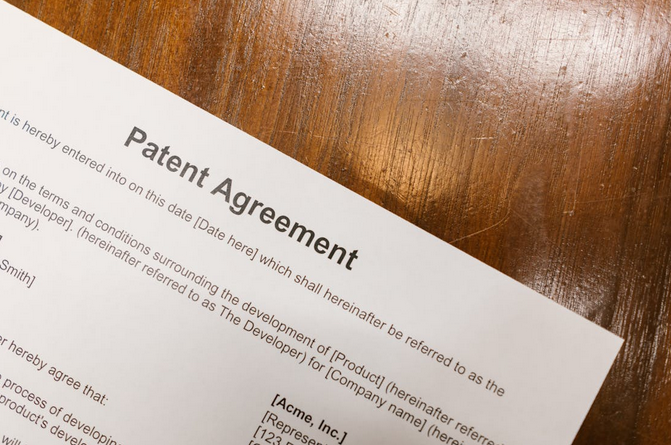
A valid contract hinges on several essential elements. First, there must be an offer made by one party. This proposal outlines the terms and conditions of the agreement. Next comes acceptance. The other party needs to agree to those terms without alterations. Any changes introduce a counteroffer, which can complicate matters. Consideration is another crucial element. It refers to what each party stands to gain from the contract, whether it’s money, services, or goods exchanged.
Common Mistakes in Creating Legal Contracts
Creating legal contracts can be tricky. Many business owners overlook crucial details that can lead to misunderstandings or disputes later on. One common mistake is using vague language. Ambiguities can confuse the parties’ obligations. Clarity is key for enforceability. Another pitfall is failing to specify payment terms. Missing details like due dates or methods of payment may create friction between parties down the line. Business owners often neglect to include a termination clause as well. This omission leaves everyone uncertain about what happens if circumstances change.
How to Protect Your Business With Legal Contracts

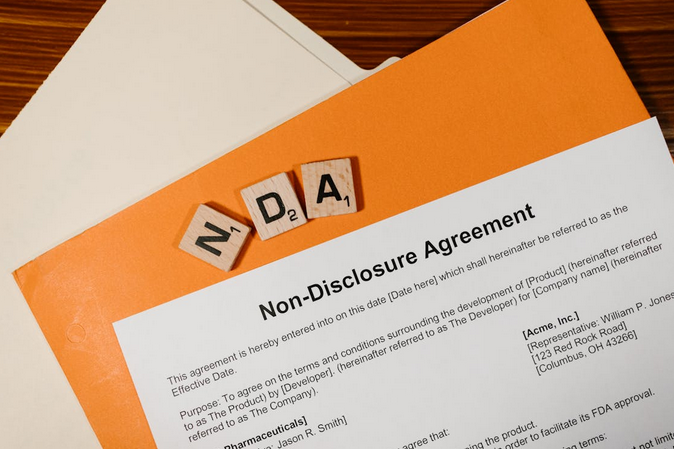
To protect your business effectively, legal contracts are essential. These documents set clear expectations between the parties involved. They outline responsibilities, timelines, and deliverables. Consider using non-disclosure agreements (NDAs) when sharing sensitive information. This helps safeguard proprietary data from competitors or leaks. Service agreements can also be invaluable. They define the scope of work and payment terms for contractors or freelancers. This reduces misunderstandings that could lead to disputes.
Benefits of Hiring a Lawyer for Contract Creation and Review
Hiring a lawyer for contract creation and review can be a game-changer for any business. These professionals bring expertise that goes beyond simply drafting documents. They understand the nuances of legal language, ensuring that your contracts are clear and enforceable. This minimizes risks associated with ambiguous terms or overlooked clauses. A skilled attorney can identify potential pitfalls in agreements that you might miss. Their keen eye helps protect your interests before signing on the dotted line. Additionally, lawyers stay updated on current laws and regulations, which is crucial in today’s fast-paced environment. They ensure compliance, shielding your business from unexpected legal issues down the road.
Legal contracts are essential tools for any business owner. They provide clarity and legal protection in various transactions and relationships. Understanding the importance of these documents can prevent disputes and save you from costly litigation. Being aware of different types of contracts allows you to choose the right one for each situation, whether it’s employment agreements, service contracts, or nondisclosure agreements. Knowing what makes a contract valid ensures that your rights are protected. Common mistakes like vague language or improper signatures can lead to misunderstandings down the line.…



 If your business needs to resolve a dispute or has a litigation case to deal with, it is necessary to know all options available. By hiring a lawyer, you will ensure that all possibilities are considered, and you understand them. They can explain the different approaches and interpretations in commercial litigation or dispute resolution case. Therefore, commercial litigation advisors ensure that you make the right choices.
 The most common business law matter which corporate lawyers address is negotiating and reviewing business contracts. Business contracts are legally binding agreements that involve two parties where each side agrees to avoid or take some actions. There are many types of business contracts which a company gets into, such as partnerships and employment agreements. A business lawyer helps you navigate through such contracts to ensure you get the best bargain and your rights are protected.