
The Legal Problems People Ignore Until They Become Impossible to Avoid

Most people don’t spend their days worrying about legal problems. Between work, family responsibilities, bills, and everyday commitments, it’s easy to assume that everything will work itself out. A forgotten agreement, an unpaid debt, or a disagreement with a landlord might not seem serious at first. However, small issues can become expensive, stressful, and hard to resolve if you ignore them for too long. The tricky part is that many legal problems develop quietly before suddenly demanding your attention. Understanding these common situations can help you recognize warning signs early and make better decisions before things get complicated.
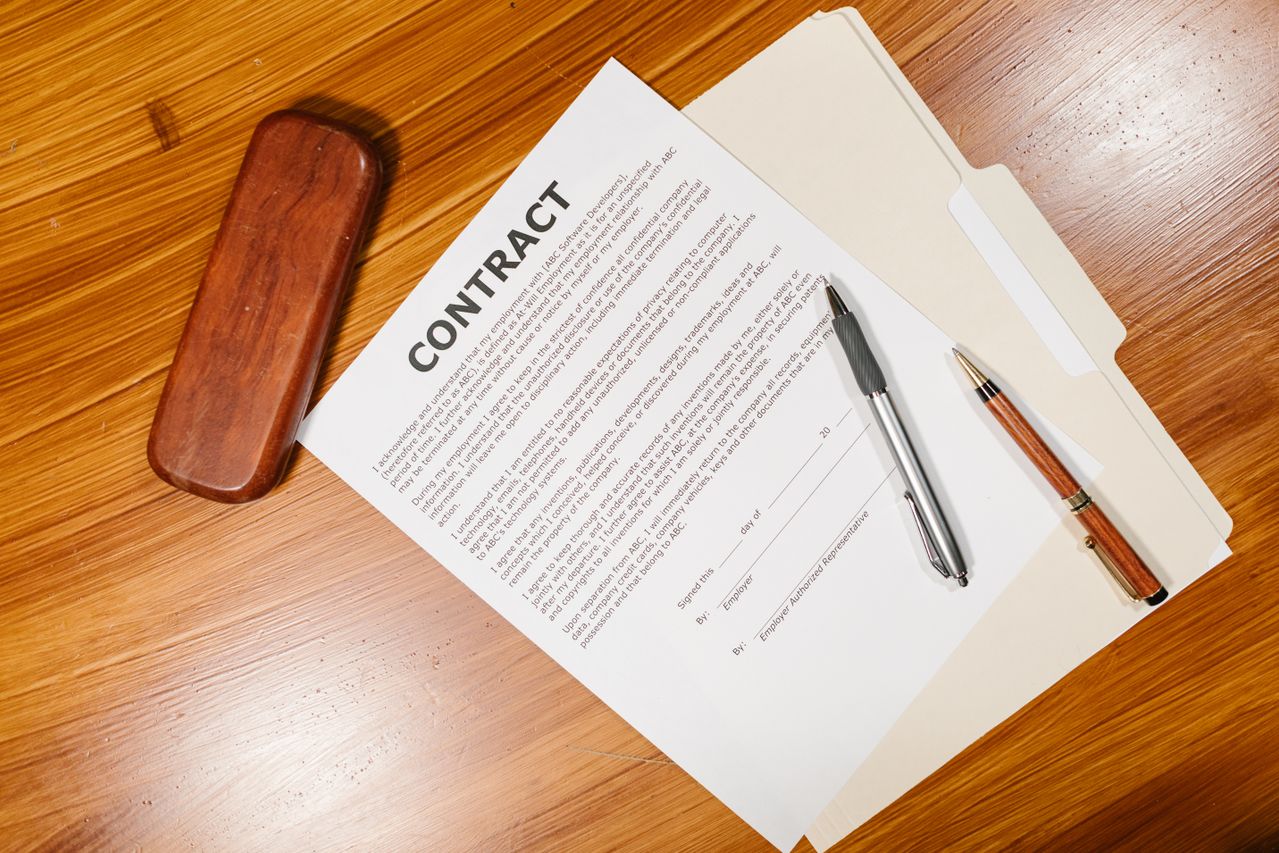
Ignoring Contracts Because You Trust Someone
When you’re working with a friend, hiring a contractor, or starting a business with someone you know, a formal contract might feel unnecessary. After all, why involve paperwork when everyone seems to agree? The problem is that memories differ, expectations change, and misunderstandings happen. Without clear written terms, it can be hard to determine what each person promised to do. Important agreements should clearly explain responsibilities, payment arrangements, deadlines, and how you’ll handle disagreements. A written contract won’t prevent every dispute, but it can provide valuable evidence if things go wrong.
Letting Unpaid Debts Drag On
Lending money to someone can feel straightforward until repayment stops. You might avoid bringing it up to avoid damaging the relationship, especially if the borrower is a relative or close friend. Unfortunately, repeatedly postponing the conversation can make recovery more difficult. Keep records of the amount borrowed, repayment promises, messages, and any payments already made. If informal reminders don’t work, consider getting legal advice about your options. Time limits for pursuing debts vary by jurisdiction and circumstances, so waiting indefinitely could limit your ability to act.
Overlooking Problems With Rental Agreements
Renting a home or commercial space involves more than paying rent and collecting the keys. Disagreements can arise over security deposits, repairs, rent increases, notice periods, or the condition of a property when someone moves out. Tenants and landlords sometimes rely on verbal promises without checking the applicable rules or documenting their arrangements. Keeping a copy of the rental agreement, payment receipts, inspection records, and important communications can make a real difference. If a dispute develops, reviewing the agreement and seeking timely advice may help prevent a manageable disagreement from becoming a lengthy legal battle.
Delaying Action on Property Disputes
Property issues can become particularly complicated because they often involve substantial financial value and long-term family interests. Boundary disagreements, unclear ownership records, inheritance conflicts, and informal land transactions may appear manageable until someone attempts to sell, develop, or transfer the property. Assumptions about ownership are not always enough to establish legal rights. Before purchasing land or investing in property, verify the relevant ownership records and follow the required legal procedures. If a dispute already exists, collecting documents and obtaining qualified legal advice early can help clarify your position before the situation escalates.

Ignoring Important Legal Notices
Receiving a demand letter, court document, or official notice can be intimidating. Some people avoid opening the envelope, hoping the problem will disappear if they don’t acknowledge it. Unfortunately, ignoring formal documents can allow deadlines to pass or proceedings to continue without their participation. Not every letter means you’re being sued, but every official communication deserves careful attention. Check who sent it, what action it requests, and whether a response deadline applies. If you’re unsure what it means, consult a qualified lawyer promptly rather than assuming that silence is the safest option.
Forgetting to Update Important Documents
Life changes, but legal documents don’t automatically update. Marriage, separation, the birth of a child, a new business, or acquiring property may affect your planning needs. Outdated wills, incomplete business records, unclear ownership arrangements, and expired permits can create complications when circumstances change. Reviewing important documents periodically helps ensure they still reflect your intentions and current responsibilities. The specific documents you need will depend on your situation and local laws, but setting aside time for a regular review can prevent avoidable confusion later.
Legal problems rarely become serious overnight. More often, they grow from small misunderstandings, missed deadlines, incomplete paperwork, or conversations people keep postponing. The best way to protect yourself is to take concerns seriously while they’re still manageable. Keep important records, put significant agreements in writing, respond promptly to official notices, and seek qualified legal advice when necessary. You don’t need to anticipate every possible problem, but taking early action can save you considerable time, money, and stress when unexpected challenges arise.…